
Crystal Healing Myths: 7 Common Mistakes UK Buyers Make
An honest look at the claims made for crystals, the buying mistakes UK shoppers make most often, and how to spend your money well.
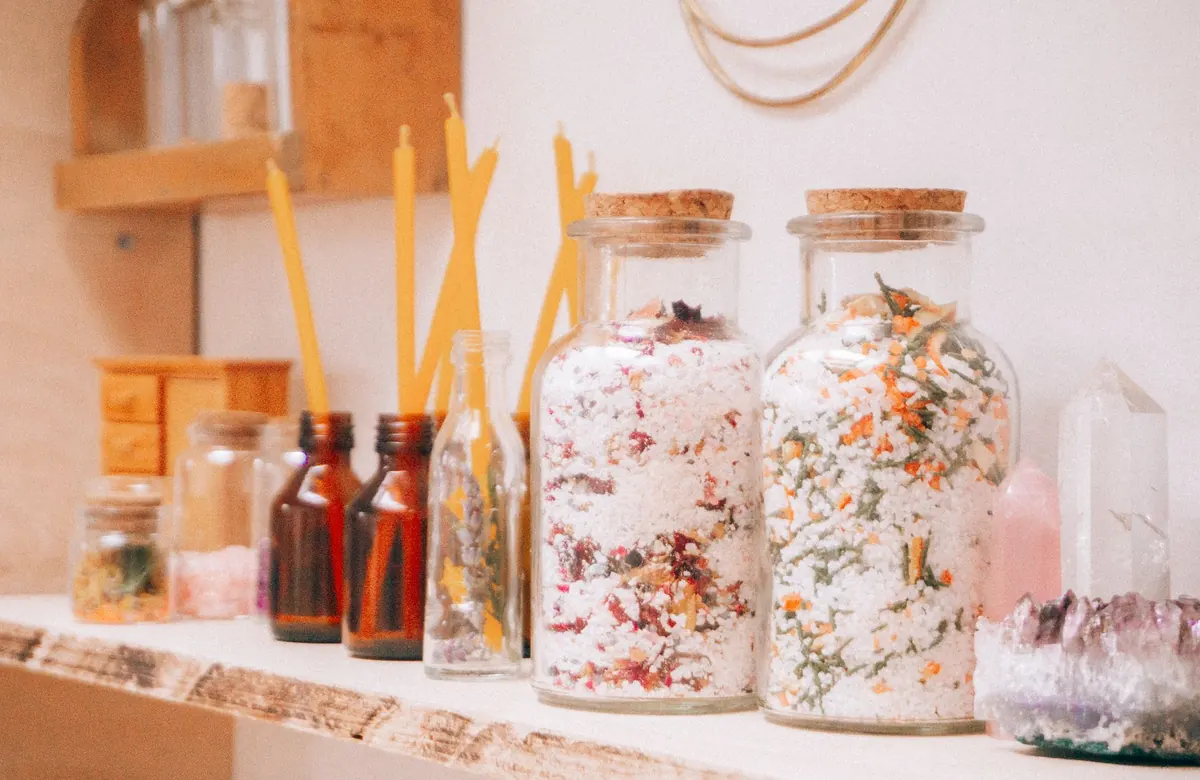
Type "crystal healing" into a UK shopping search and you will meet amethyst promised to calm anxiety, citrine sold as a money magnet, and polished pebbles described as though they came with a warranty. That is not a reason to avoid crystals altogether. Plenty of people enjoy them as beautiful objects, as a focus for a quiet minute, or as a nudge to slow down at the end of a long day. Trouble arrives when a buyer mistakes marketing language for fact, or pays well over the odds for something that is not quite what it claims to be. Here are the seven mistakes we see most often, and what to do instead.
1. Treating Healing Claims as Medical Advice
Most sellers are careful with their wording. Some are not. A listing that says a stone "balances the thyroid", "clears toxins" or "replaces medication" has crossed a line, and you should read it as a warning sign rather than a selling point. Crystals are not a treatment for illness, and no shop page can tell you what your body needs.
If a claim would be risky on a medicine label, it is risky on a crystal label.
There is a gentler truth underneath the hype. Many people find that holding a cool, smooth stone helps them pause, breathe and settle. That effect comes from the pause, the texture and the ritual — not from the mineral's chemistry. Enjoy it for what it is. If you are dealing with a health concern, speak to your GP or another qualified professional, and keep crystals as decoration or comfort rather than care.
2. Assuming "Natural" Means Untouched
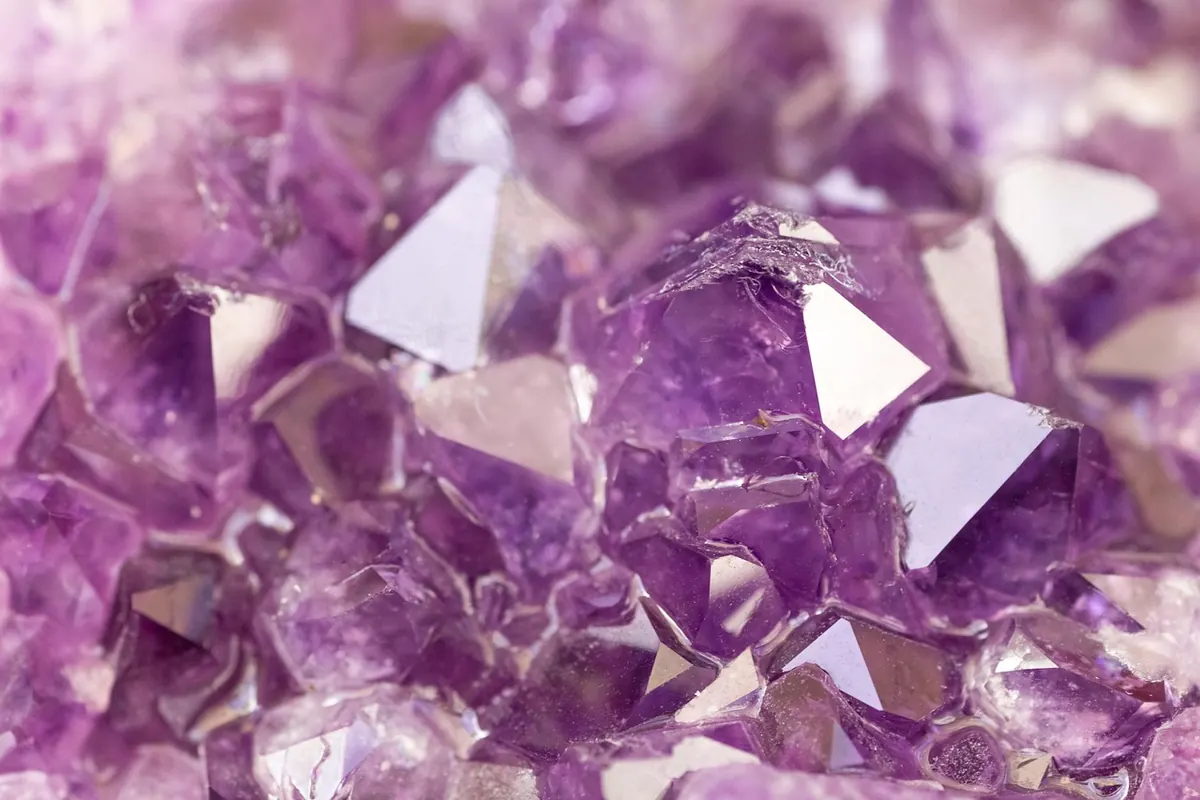
Plenty of stones on the market are treated, and most of those treatments are perfectly normal. Amethyst is routinely heat-treated to produce the golden tones sold as citrine. Agate is dyed pink, blue and purple. Clear quartz is coated to make shiny "aura" finishes. Fractures are filled with resin to keep a stone stable.
None of this is automatically dishonest. What matters is whether the seller tells you. If a description says only "natural citrine" with no mention of heat treatment, ask. If a stone is startlingly vivid for its price, ask why. A good seller answers without flinching, and a vague one has told you something useful.
3. Falling for Invented Names
Crystals get renamed for marketing all the time. Evocative trade names appear, older names quietly disappear, and the same material can be sold at three price points under three different labels. Some of these names are established trade terms; others are pure invention.
The defence is simple. Ask one question: what mineral is this, and what is its proper name? A seller who can give you both the trade name and the mineral species — and explain why the fancy name exists — is worth buying from. One who cannot should be left alone.
4. Buying From a Photo Instead of the Stone
Screens lie. Phone cameras warm up colours, sellers photograph under bright light, and an edited image can turn a pale grey stone into a deep violet one. This is the single most common source of disappointment in online crystal buying.
Before you order, ask for a daylight photograph or a short video, ideally with the stone in a hand so you can judge scale. Reputable sellers will send one. If you are buying in person, take the stone to a window. Indoor shop lighting flatters everything, and you want to see what you are actually taking home.
5. Buying a Whole Collection Before You Know What You Like
Sets of twenty "healing stones" are tempting, cheap per piece and usually forgettable. Most end up in a drawer within a month. A single well-chosen piece you actually handle will teach you more about your own taste than a box of tumbled chips ever will.
Start with one or two. Carry them. Notice which ones you reach for and which ones you ignore. Then buy again. Collections built slowly are the ones people still love five years later.
6. Ignoring the Practical Details
A tower photographed against a plain background can arrive the size of your thumb. Before ordering, check:
- Dimensions in centimetres, not "small", "medium" or "large".
- Weight in grams, which tells you far more than a photo does.
- Finish — tumbled stones are smooth, raw pieces can have sharp edges, and both suit different jobs.
- Jewellery fittings — ask whether the metal is plated or solid, and whether the setting will survive daily wear.
- Where it ships from. Orders arriving from outside the UK may attract import charges and courier handling fees, which can double the cost of a small order.
A minute spent checking these saves a return, and returns are rarely free.
7. Forgetting That Crystals Need Looking After
Stones are durable, not indestructible. Several common mistakes shorten their life badly:
- Amethyst, rose quartz and other coloured stones fade in prolonged direct sunlight. A windowsill is not the best home.
- Selenite, halite and many copper-based minerals should never be soaked in water.
- Salt-water cleansing damages soft or porous stones and can leave a crust behind.
- Pyrite and other iron-rich minerals rust in damp conditions.
For most pieces, a soft dry cloth and a dry shelf are enough. Handle them, dust them, keep them out of the damp, and they will last for years.
A Practical Checklist Before You Buy
Keep these questions to hand, whether you are in a shop in Glastonbury or ordering from a small UK seller online:
- What mineral is this, in plain terms?
- Is it natural, heat-treated, dyed, coated, resin-filled or reconstituted?
- What are the exact measurements and weight?
- Can I see it in daylight, ideally next to something familiar?
- What is the returns policy, and who pays postage?
- Where does it ship from, and will import charges apply?
Buy crystals because you like the look of them, because you enjoy holding them, or because the ritual of choosing one feels good. Those are solid reasons, and they do not need a health claim attached. Treat the promises with a raised eyebrow, ask the awkward questions, and you will end up with a small collection you genuinely treasure rather than a drawer full of regret. If you are buying for a gift and the recipient has a health condition, stick to beauty over benefit and let them decide what a stone means to them.
Photo: Alina Vilchenko / Pexels