


Setting Up a Home Lapidary Workshop in a Small UK Flat
How to fit a safe, quiet lapidary setup into a small UK flat — covering ventilation, dust and slurry control, noise, storage and what to buy first.
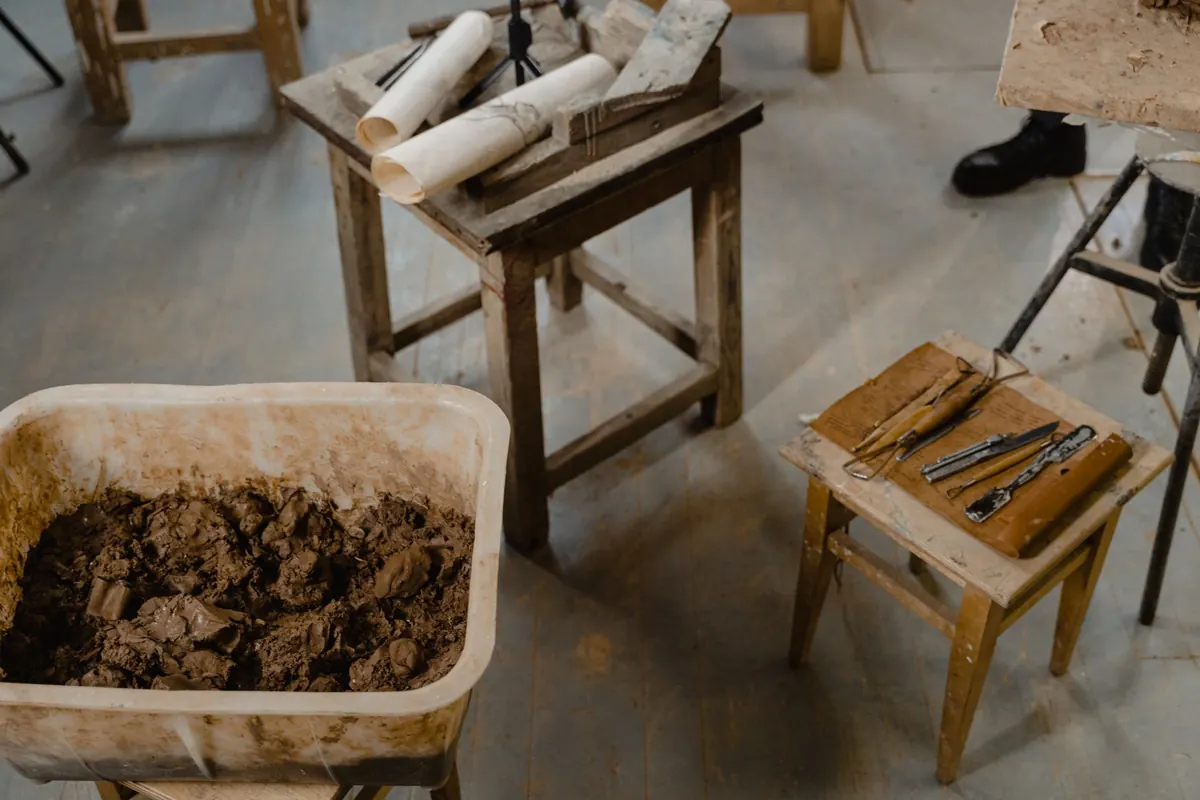
A flat is not the obvious home for a rock saw. There is no garage, the neighbours are one plasterboard wall away, and the only tap is the one you wash the dishes in. Yet plenty of cutting, grinding and polishing happens in spare bedrooms and corners of living rooms across the UK, and it happens tidily. The trick is to stop thinking about machines and start thinking about a system: a defined area, controlled dust, controlled water, controlled noise. Get those four things right and the hobby fits comfortably into a small home.
Work Out Where the Work Goes
Before you buy anything, walk around your flat and decide which surface will take the mess. Kitchens and bathrooms have hard floors and a water supply, which sounds ideal, but they are also where you eat and wash. A spare bedroom, a hallway alcove or a utility cupboard usually works better. Carpet is the enemy: fine stone slurry works its way into pile and never comes out, so if the room is carpeted, lay a sheet of vinyl or a large plastic tray over the working area and tape the edges down.
Split the hobby by messiness. Tumbling, trimming and cabbing are wet, gritty processes. Final polishing with compounds, and any dry sanding, are the dusty ones. If you can, keep the dusty stage at a bench by an openable window and the wet stage on a tray where splashes do not matter. A balcony can host the wettest work in summer, but remember that wind carries spray, water must not run off onto a neighbour below, and anything left outside will rust or walk away.
Ventilation and Dust Control
Silica-bearing rock dust is the single most serious hazard in a home workshop, and it is easy to underestimate because you cannot see much of it. Water-fed tools capture most dust at the source, which is why wet grinding is the default indoors. The problem arrives later, when slurry dries on a tray and someone brushes it up.
Three habits make a small room far safer:
- Keep everything wet that can be kept wet, and wipe surfaces with a damp cloth rather than brushing or blowing.
- Extract air rather than filtering it in the room. A box fan sealed into an open window, blowing outwards, moves dust out of the flat. A board cut to the window opening with a circular hole for the fan works better than balancing a fan on the sill.
- Wear a well-fitted particulate respirator for any dry cutting, sanding or clean-up, and take it off once you leave the room.
A domestic vacuum will simply blow the finest particles back into the air unless it is rated for fine dust, so either buy a machine designed for it or stick to wet clean-up. Never use solvents, oil-based polishes or spray adhesives in a small sealed room. If you have a lung condition, or you are unsure how much exposure is acceptable for you, take advice from a qualified health professional before setting up.
Keeping the Noise Inside Your Own Walls
Trim saws whine, grinders rumble, and a rotary tumbler will run for weeks at a time. Noise is the fastest way to sour relations with the people below and beside you.
Start with the floor. Tumblers belong on a solid surface, not on a suspended wooden floor where the vibration travels straight into the joists. Put a heavy paving slab on a rubber mat and stand the tumbler on that; the mass absorbs a surprising amount of the drumming. Rubber-barrelled tumblers are noticeably quieter than rigid plastic ones, and lining a cheap wooden cabinet with foam and closing the door gives you another layer. If you use a vibratory tumbler, expect it to be louder still and treat it as daytime-only equipment.
Then manage the timing. Restrict powered work to reasonable daytime hours, avoid early mornings and late evenings, and warn your neighbours before a long tumbling run rather than after a complaint. Check your tenancy agreement or lease for clauses about noise and business use, and if you are a leaseholder, check the building's rules too. A quick conversation with the landlord or managing agent is far cheaper than a dispute.
Water, Slurry and the Drain
Never pour stone slurry down the sink. It settles, sets hard and blocks traps, and the repair bill will exceed anything you saved on a bucket. Use a two- or three-stage settling system instead: the machine drains into a primary bucket, which overflows into a second bucket, and only the clear water from the top of the last one goes down the drain. Let the solids dry in the first bucket, then scrape them into general waste.
For water-fed grinders, a small recirculating pump and a five-litre bucket will keep you going for a session without plumbing anything in. Add a splash guard or a clear plastic shield, keep a towel within reach, and plug every tool into an RCD adaptor. Water and electricity in the same room deserve that caution.
Storage and Layout in a Small Room
Small rooms fail because of clutter, not because of size. Give every item a home and the workspace stays usable.
- One sturdy bench, ideally on castors so it can be wheeled out of the way. Weight the base or fix it to the wall.
- Clear plastic boxes with lids for rough rock, sorted by hardness or by project, stacked no higher than you can comfortably lift.
- A vertical rack or a shallow drawer for slabs, so they are not sliding around on a shelf.
- Separate, labelled containers for each grit size. Cross-contamination between grits ruins a polish, and it happens constantly when everything lives in one tub.
- A lidded case for diamond burrs, drill bits and small tools, kept off the bench surface.
- Buckets, trays and hoses stored underneath, not on top.
Label the outside of every box. In six months you will not remember which tub holds the 600 grit.
What to Buy, and in What Order
Buy for the stage you are actually at, not the workshop you imagine having.
- Tumbler and grit kit. The cheapest, quietest and least messy entry point. It teaches you about hardness, shape and patience.
- Wet grinder or combination machine. One unit that roughs, shapes and polishes cabochons will cover most of what a hobbyist needs.
- Small trim saw with a water tray. Enough to cut slabs down to size. A large slab saw is a bad fit for a flat: heavy, loud and thirsty.
- Dust extraction and a proper respirator. Buy these before, not after, you start dry work.
- Polishing compounds and a dedicated polishing pad. Kept separate from every grinding stage.
Second-hand machines are good value, but check the arbor for play, listen to the bearings and ask how the machine was stored. Rust inside a water-fed grinder is a warning sign.
Build It Slowly, and Stay on Good Terms
You do not need much space to cut and polish stone well. You need a tray, a bucket, a window that opens, a fan, a respirator and a bench you can put away. Add tools one at a time as your skills demand them, and keep the workspace clear enough that you can clean it down in five minutes. That single habit — clean as you finish, every time — is what keeps a lapidary setup viable in a flat, and keeps the people on the other side of the wall happy to live next to one.
Two last checks worth making before you commit: confirm with your contents insurer that your equipment and any rough material are covered, and confirm with your landlord that the work is permitted. Both answers are usually straightforward, but it is better to know them in advance.
Photo: Tima Miroshnichenko / Pexels