Rough vs Cut Gemstones: What UK Collectors Should Know Before Buying
Rough and cut gemstones suit different collectors. Here is how value, risk, display and UK buying practicalities compare, and how to choose your first purchase.
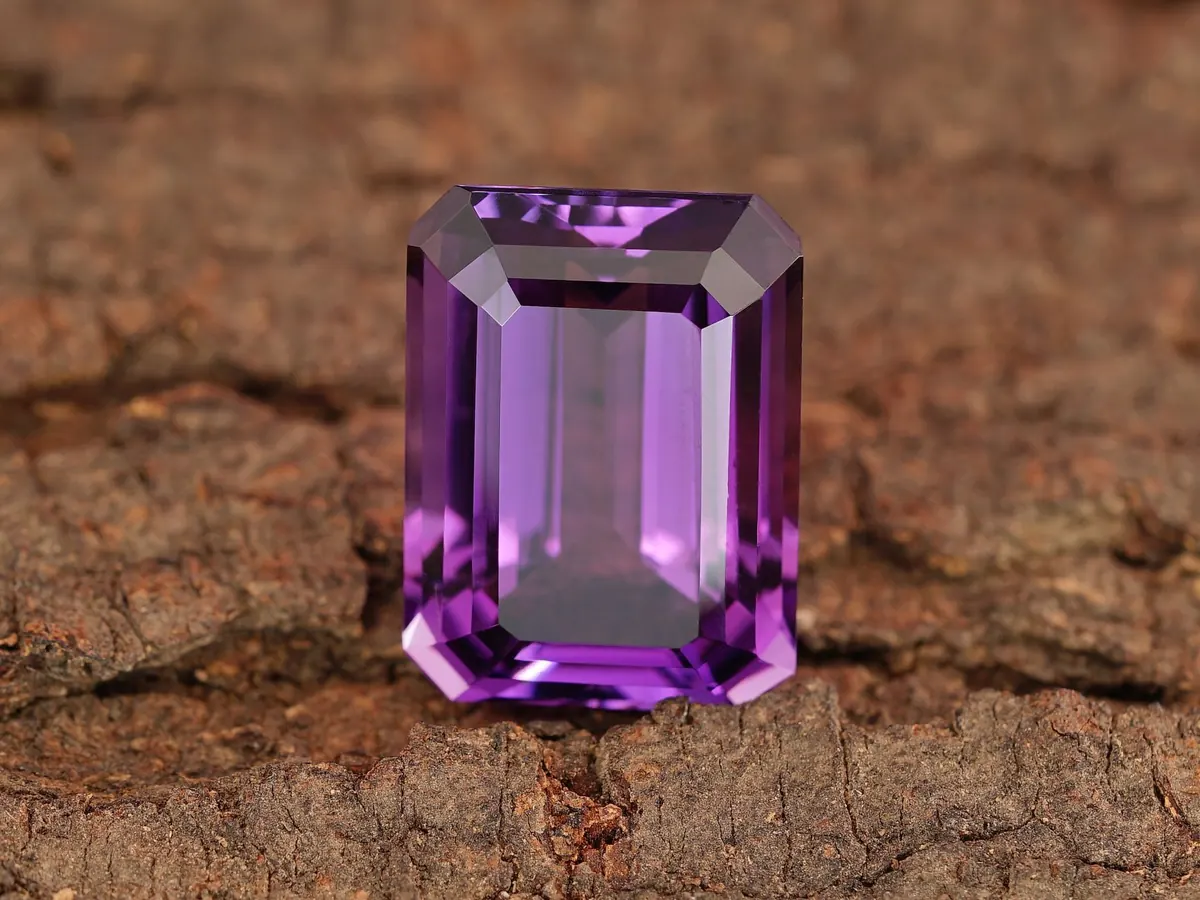
Two stones sit side by side on a dealer's tray. One is a knobbly crystal, still part-coated in grey matrix, the size of a broad bean. The other is a six-millimetre oval that throws light back at you as if it has its own switch. Oddly, they can cost about the same.
Rough and cut gemstones are not really competitors. They are two different hobbies that happen to share a mineral. Knowing which one suits you, your budget, your space and your patience will save you more money than any clever haggle at a gem fair.
What you are actually buying
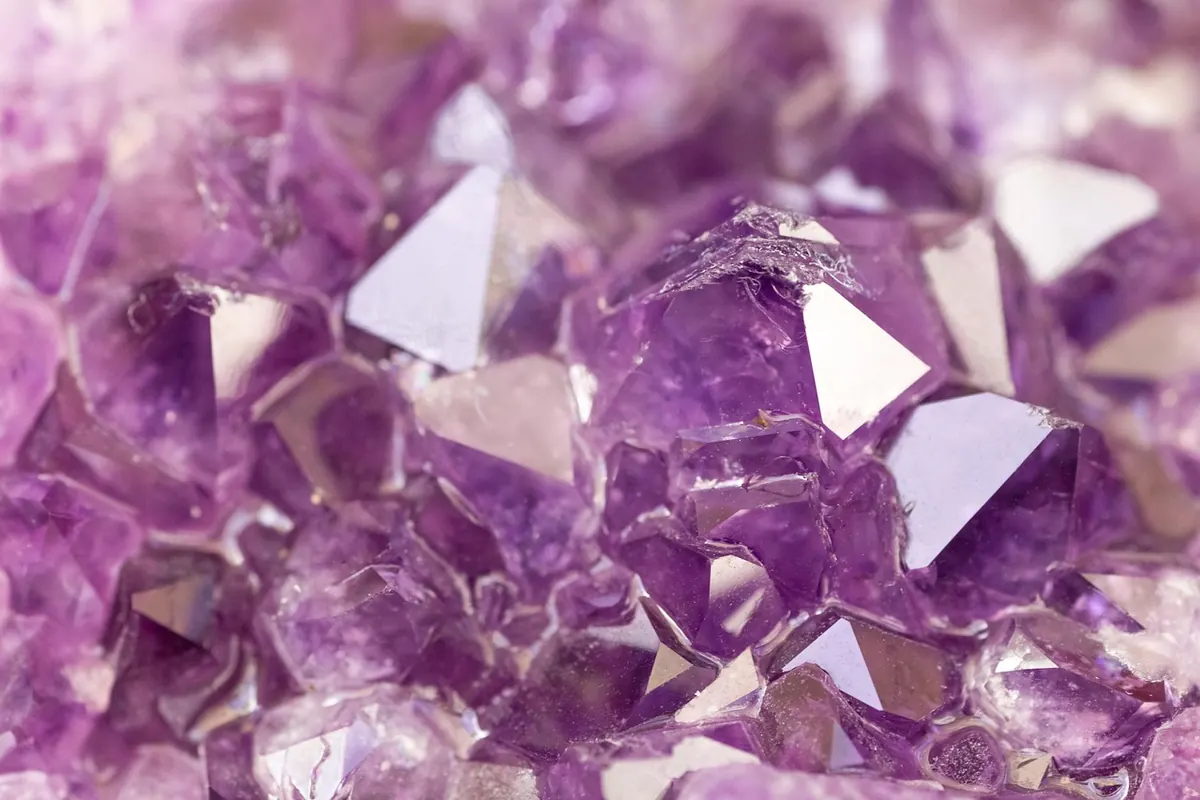
Rough is the material as it came out of the ground or off the mine dump: crystals, broken fragments, water-worn pebbles, nodules. It is graded by what it might become. Facet-grade rough is clean and well shaped enough to cut a faceted stone. Cabochon-grade is more included or opaque and suits a smooth dome. Specimen-grade is bought for its shape, colour and locality rather than its cutting potential, such as a sharp Weardale fluorite cube or a banded slice of Blue John from Derbyshire.
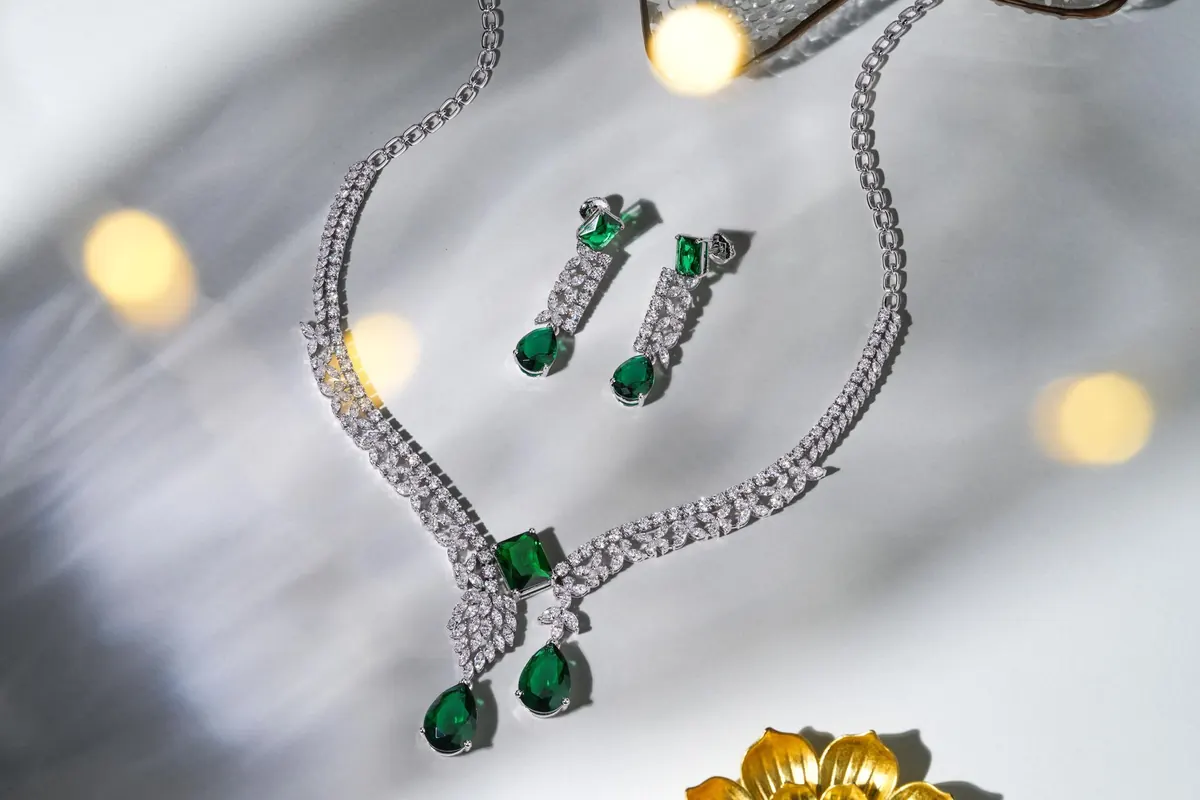
A cut stone is a finished product. Someone has already taken the risk: they selected the rough, planned the orientation, ground a large share of it away as powder, and polished what remained. You are buying the result of that work, and usually a set of measurements and a cut style, brilliant, step or mixed, to go with it.
Value: where the money sits in each
Per carat, rough is almost always the cheaper option. That is less a bargain than a transfer of risk. Buy a piece of facet-grade rough and the uncertainty is now yours: it may hold a fracture you cannot see, or the colour may thin out badly once the stone is cut.
The cutting question
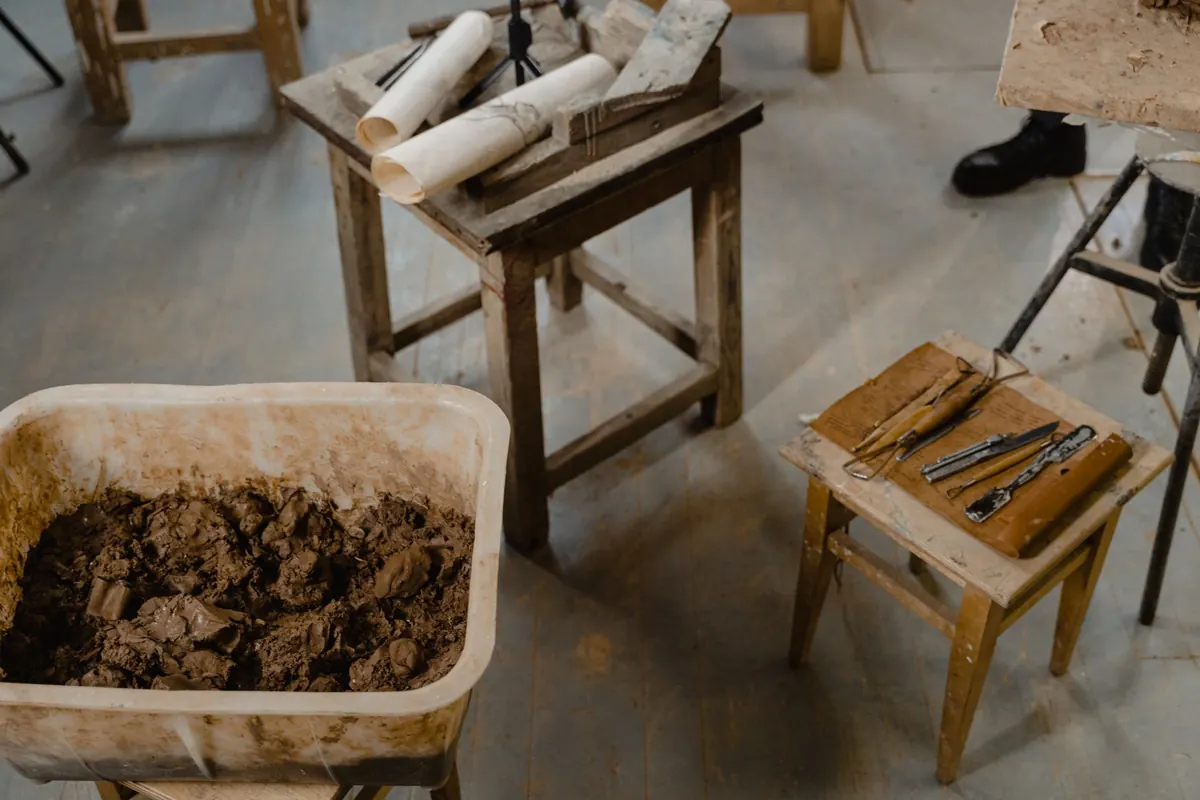
Having rough cut in the UK is possible but rarely cheap. Lapidaries are skilled, often booked up, and their time does not cost less just because the stone is small. Pay to have a modest piece of amethyst faceted and you may spend more on labour than the finished stone would cost from a dealer. Rough makes sense when you want the specimen itself, or when the material is genuinely rare enough to justify the fee.
Cut quality is where cut stones win or lose
A well-cut stone returns light to your eye. A poorly cut one leaks it: you see a washed-out window through the middle, or dead patches where the stone goes dark. Proportions, symmetry and polish matter as much as colour and clarity, and they are easy to judge for yourself in decent lighting. Take the stone to a window, then to a lamp, then to a plain white sheet of paper. If it looks flat in all three, walk away.
Be equally careful with heavily included stones sold as rustic or native cut. Sometimes that is a fair description of a characterful stone; sometimes it is a way of dressing up material that should have been left in the ground.
Display, storage and the pleasure of each
Rough rewards a different kind of attention. A specimen with its matrix intact is a record of where it formed, and a labelled piece, with species and locality noted, becomes more interesting the longer you own it. Keep them away from direct sun and damp. Some sulphide minerals, pyrite in particular, can decay in humid air, so a dry cabinet with a little ventilation is kinder than a sealed, steamy display case.
Cut stones ask to be handled and worn, but they need more care. Store them separately so harder stones do not scratch softer ones, and keep in mind the practical gap between diamond at the top of the hardness scale and softer favourites such as opal, tanzanite and emerald. A few coloured stones fade with prolonged exposure to strong sunlight, so display them in normal room light rather than on a south-facing windowsill.
Buying in the UK: practical checks
- Ask what the stone is. Natural, treated or lab-grown? Many sapphires and rubies are heat-treated, emeralds are often oiled, and lab-grown material is a legitimate market of its own, but you should know which one you are buying.
- Get treatment and origin claims in writing. Origin in particular is hard to verify without laboratory testing, so treat a confident label on a paper packet with polite scepticism.
- Check the return terms before you pay. Online purchases from UK traders normally come with a short cancellation right, but bespoke work, such as a stone cut to your order, may be excluded.
- Budget for import costs. Buying from outside the UK can trigger import VAT and a courier handling fee on delivery. Some organic materials, including coral and ivory, are restricted by international trade rules.
- Insure the good stuff. For a significant purchase, an independent opinion from a qualified gemmologist is money well spent, and your insurer will usually want a valuation.
A quick way to decide
- Write down why you want the stone: to wear, to display, or to study.
- If it is to wear, buy cut. You will get more enjoyment per pound.
- If it is to display, either can work, but rough with locality information holds its interest best.
- If it is to learn, start with inexpensive rough of a species you can also buy cut, and compare the two.
- Set a limit for your first purchase and stick to it. There is always another gem fair.
Starting sensibly
Buy the smallest good example you can afford rather than the largest mediocre one. A single clean, well-cut stone in a colour you genuinely like will teach you more than a drawer of bargains, and a good specimen with a proper label will still be interesting in ten years. If serious money is involved, take advice from a qualified gemmologist or a dealer with a solid reputation before you commit, and keep your paperwork together.
Above all, buy what you keep taking out of the box to look at. That instinct is usually right.
Photo: Abdul Matloob / Pexels